The short answer is that some of the terraces in the Banaue area are UNESCO-listed and some are not. That matters when you plan: a tour that says UNESCO in its title may or may not include Batad or Bangaan, so read the itinerary.
What is listed
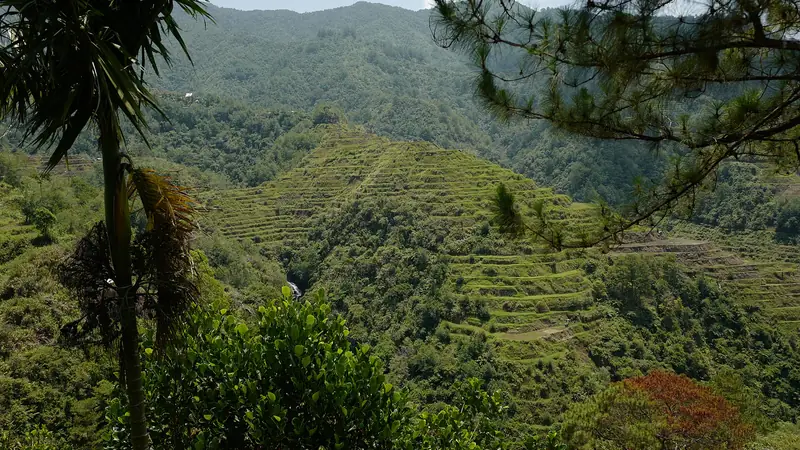
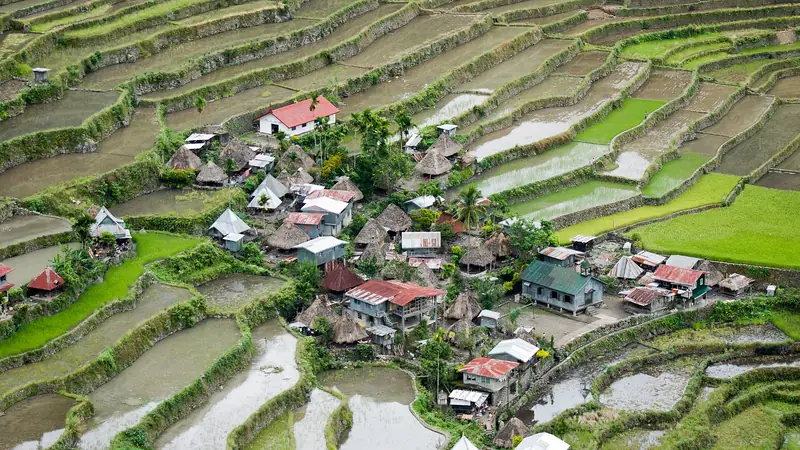
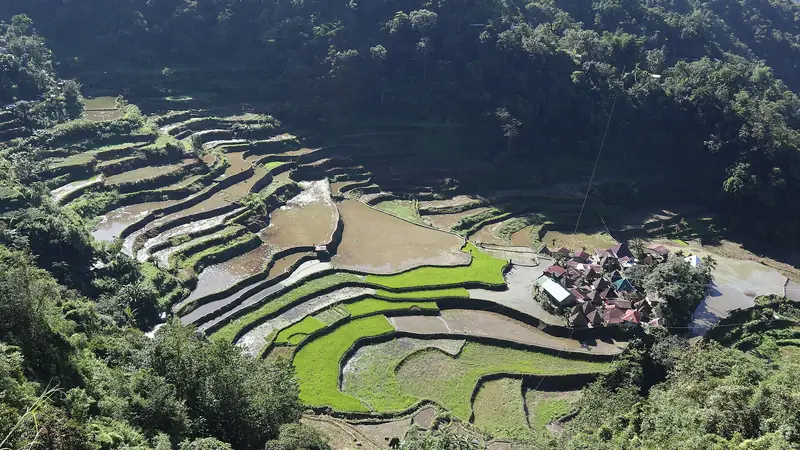
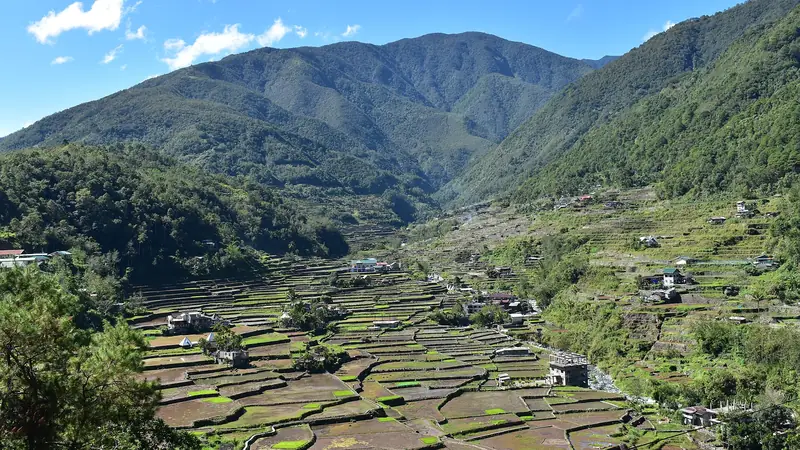
Wikipedia names five inscribed clusters under the title Rice Terraces of the Philippine Cordilleras: Batad, Bangaan, Hungduan, Mayoyao Central and Nagacadan. Batad and Bangaan fall under the municipality of Banaue but are not called the Banaue Rice Terraces. Wikivoyage’s Ifugao page gives the listing year as 1995 and says the postcard terraces are not on the list. The same encyclopaedia article says Banaue’s own terraces scored low on integrity because of numerous modern structures, and notes that a 2018 news article called them a UNESCO site, which conflicts with the article itself. We could not read a UNESCO page directly, so verify there if it matters to you.
How old are they
Wikipedia reports an estimate by the anthropologist Otley Beyer of over 2,000 years, then adds that several researchers dispute it and argue the terraces were built much later. It also notes that rice has been in the Philippines since at least 1500 BCE. We do not pick a date: describe them as old, and say the age is debated.
How they work
The terraces are built with stone and rammed-earth retaining walls and fed by irrigation from the rainforests above (Wikipedia). It also reports that the 1990 Luzon earthquake damaged some irrigation systems, and that drought dried the terraces completely in March 2010.
The people who look after them
Wikipedia says the terraces were carved largely by hand by ancestors of the Igorot and that the Ifugao have been their caretakers. Their culture centres on rice, and the article describes a day of rest, tungul, with a taboo on agricultural work. It also notes that younger Ifugao increasingly leave farming for hospitality work or city jobs, which leads to erosion of the steps.
Where to go next
For the viewpoints see the Banaue guide, for the walk see Batad, and for the other clusters see Bangaan, Hapao and the rest.
Frequently asked questions
Are the Banaue rice terraces a UNESCO World Heritage Site?
Wikipedia says the terraces of Banaue town are not in the listing, which covers five clusters: Batad, Bangaan, Hungduan, Mayoyao Central and Nagacadan. Batad and Bangaan are in Banaue municipality.
How old are the Banaue rice terraces?
Anthropologist Otley Beyer estimated over 2,000 years, according to Wikipedia, but several researchers dispute this and argue they were built much later.
Who built and looks after the terraces?
Wikipedia says the terraces were carved largely by hand by the ancestors of the Igorot people, and the Ifugao have been their caretakers.
Some links are affiliate links: if you book through them we earn a small commission at no extra cost to you. It funds the research behind this site.